Here is a truth every family of a neurodiverse young person eventually discovers: the supports have an expiration date. The IEP ends at the diploma. The pediatric clinic ends at eighteen. And the young person — who has decades of life ahead — steps into a world of new systems with new rules, new paperwork, and no map.
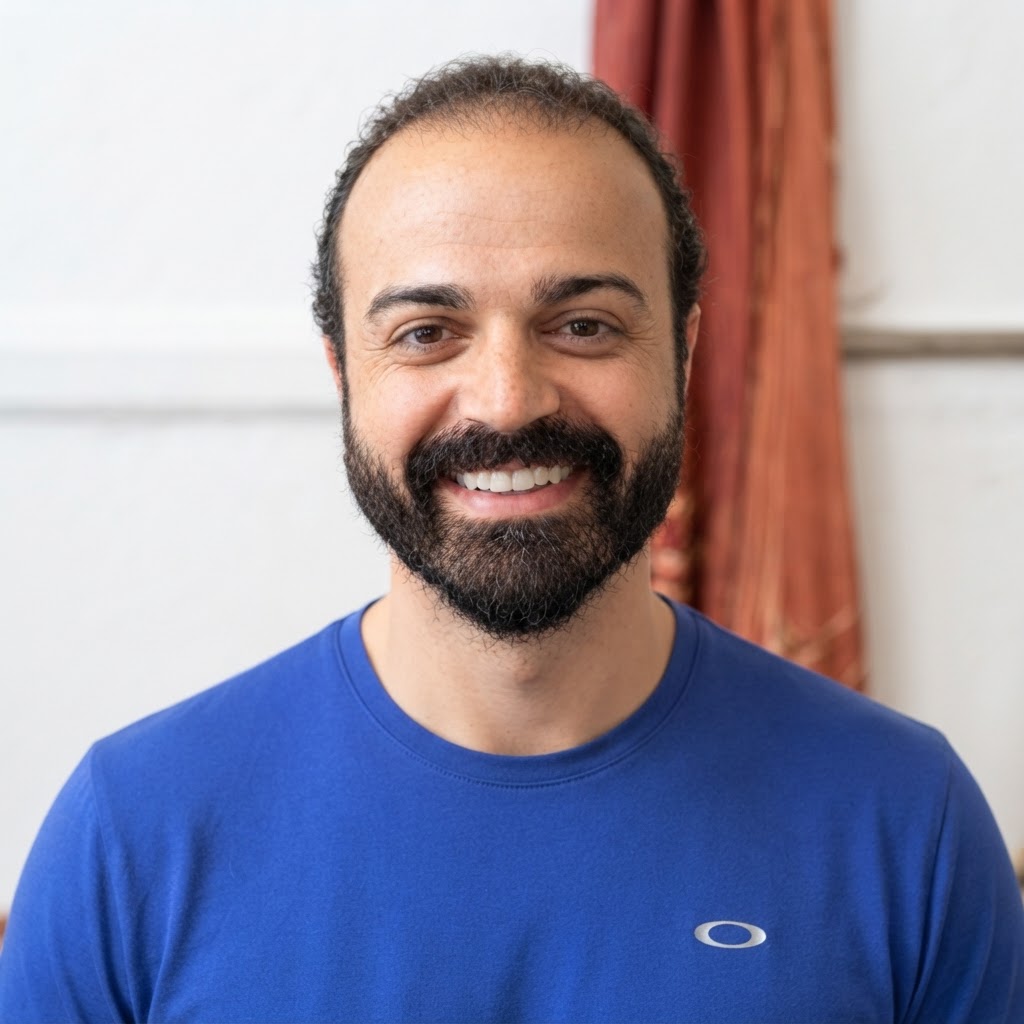
Christine Anderson has spent twenty-five years being the map. We are honored to announce that she has joined the True North Neuro advisory board.
Christine is the Director of the Center for Disability & Access at the University of Utah — the office that determines eligibility and coordinates accommodations for students with disabilities across an R1 research university. The title tells a fraction of it — what makes her rare is that she has worked at nearly every altitude of the systems families must navigate. She began in direct service as a disability advisor, sitting with one student at a time. She trained in a U.S. Department of Health and Human Services–funded interdisciplinary fellowship in neurodevelopmental disabilities, alongside pediatricians, geneticists, and speech-language pathologists. Then she spent nearly a decade in leadership at the Utah State Office of Rehabilitation — supervising rehabilitation counselors, directing a fourteen-person district team helping people with disabilities move toward skills and employment, and finally writing statewide policy aligning the agency with federal disability law. She is an Education Specialist in rehabilitation counseling, a Certified Rehabilitation Counselor, a Certified Child Life Specialist, and a Licensed Vocational Rehabilitation Counselor.
Read that career again and you'll see why we asked her: documentation, eligibility, accommodations, funding, employment services — the exact gauntlet that stands between a capable young person and a working adult life. Christine knows it from the inside, at every level, in the state where our practice lives.
On our advisory board — where she serves in her personal capacity — Christine advises within her areas of expertise and reviews our programs for suitability for the audiences she serves: students, families, and the professionals who support them. When we teach a young person to build real independence, Christine is the one who makes sure our work matches how the systems on the other side of the diploma actually behave.
The cliff after high school is real. We're building the bridge with someone who has spent her whole career on both sides of it.
Welcome, Christine.
Frequently asked
Who is Christine Anderson?
Christine B. Anderson, EdS, CRC, CCLS, LVRC, is the Director of the Center for Disability & Access at the University of Utah, with a 25-year career across higher education disability services and Utah's vocational rehabilitation system. She serves on True North Neuro's advisory board in her personal capacity.
What happens to support services after high school?
IEPs end at graduation; adult systems (college accommodations, vocational rehabilitation) require new eligibility processes that families must initiate. Planning the transition early matters.
What does Christine do at True North Neuro?
She reviews True North's programs for the students, families, and professionals she serves, and advises on disability systems and access.
Meet Christine on the team